Biography
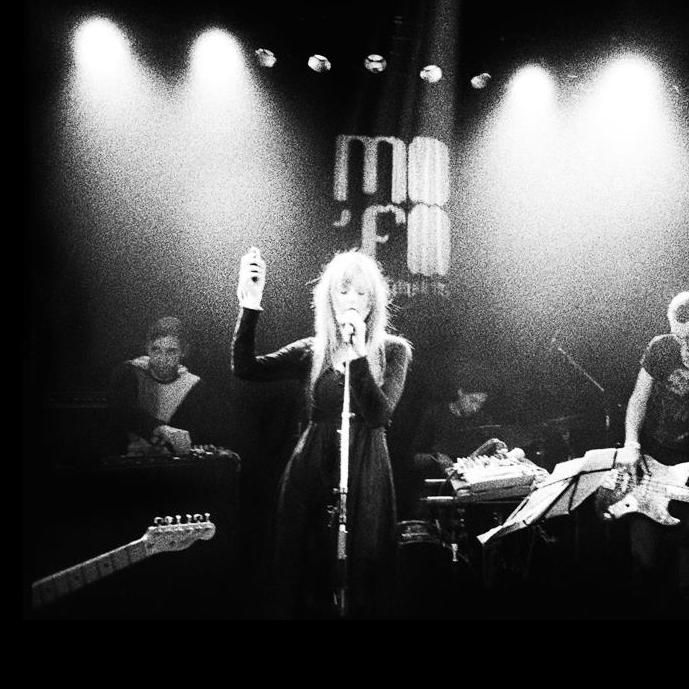
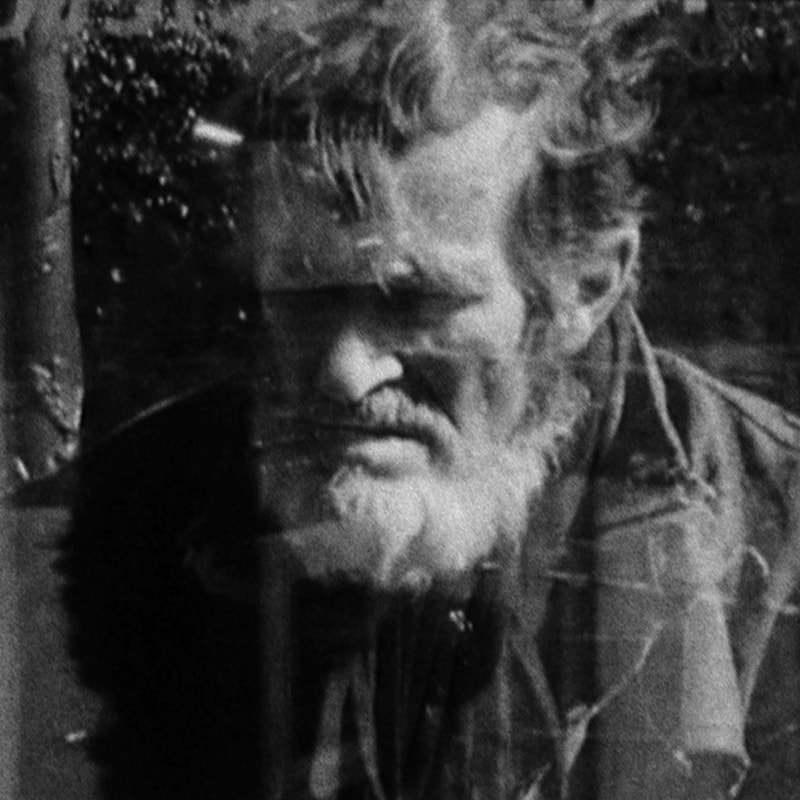
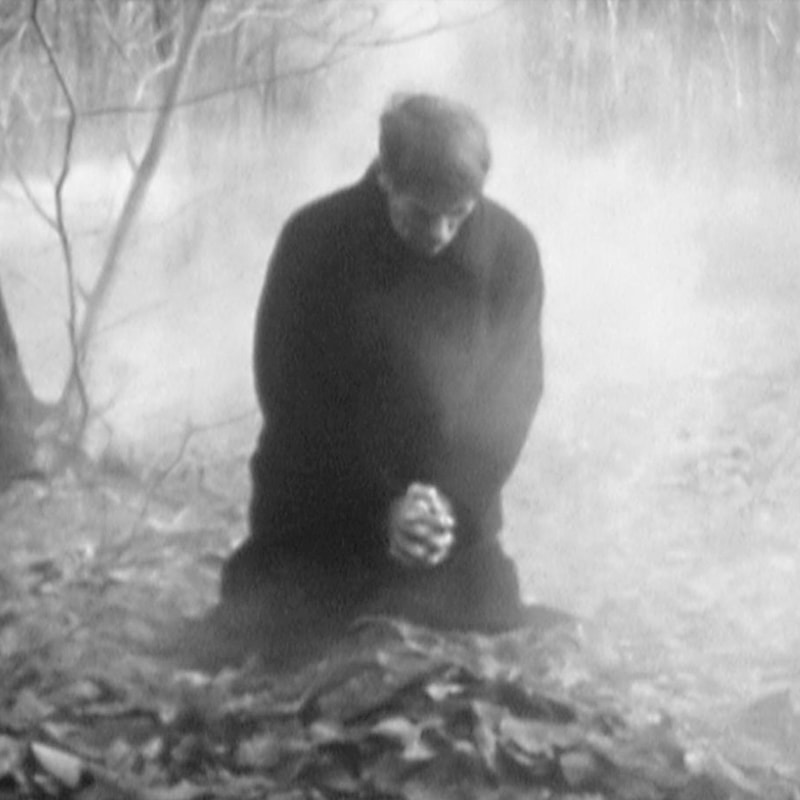
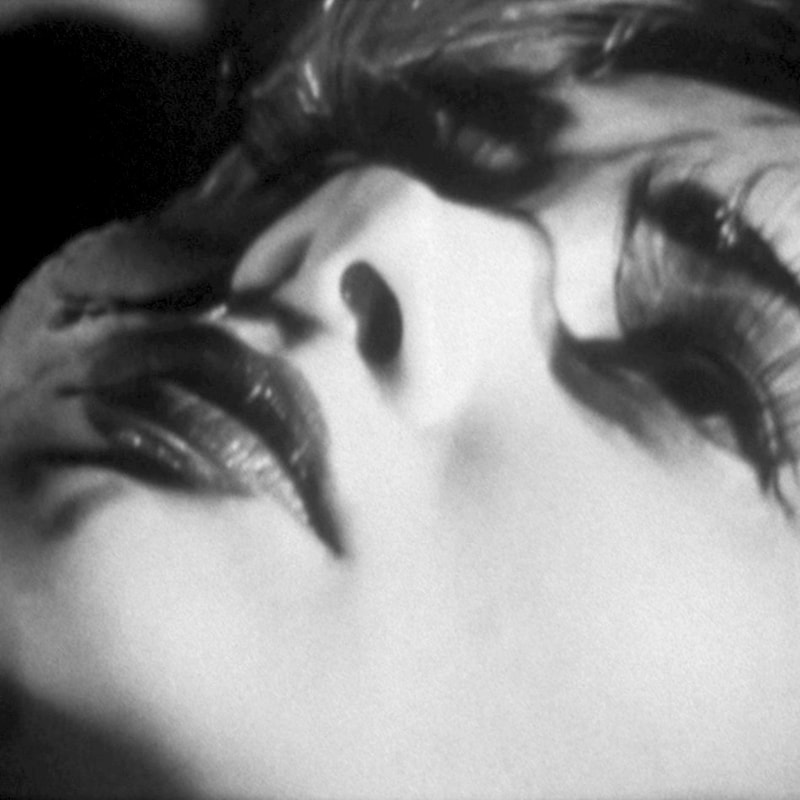
Born in Southern Australia in 1985 and raised in the suburbs of Paris, France, Jayne Amara Ross is a young Franco-Australian poet and filmmaker. Writing and directing theatre plays as a young teenager, she was introduced to experimental film upon graduating from high-school. Moving to Manchester in 2004, she made a first film entitled 'The Woman with the Severed Side' and taught herself to hand-process the raw Super 8 and 16mm footage. Returning to Paris in 2008, she founded the collective FareWell Poetry with French composer Frédéric D. Oberland and began shooting 'The Freemartin Calf', a 40 minute experimental fiction with a prose poetry voice-over. In 2009, she joined L’Abominable, a workshop for experimental film in the suburbs of Paris, to develop the hands-on techniques that constitute an integral part of her analog filmmaking. Since 2009, her films have been shown in various European festivals (Côté Court, Filmer La Musique...) and galleries (CCA Glasgow, MAMCS Strasbourg, la Cinémathèque Française in Paris, SixDogs Athens...) and she has toured France and the UK with FareWell Poetry. As well as contributing live spoken word poetry to the collective, three of her films are regularly projected during the performances with FareWell Poetry providing a live soundtrack. In February 2012, she partook in a master class at l'Institut National d'Histoire de l'Art (Paris), discussing her films and her work with Frédéric D. Oberland. She has produced 5 films to date and her latest film ‘The Golden House : For Him I Sought the Woods’ (2011) received funding from the Centre National des Arts Plastiques (France).
'The work of Jayne Amara Ross fascinates and fills one with wonder. Her films are amazingly masterful, bringing to light an intimate mythology that is raw, breathless, striking. Here the most ambitious poetic challenges are met and from this emerges something rare and precious, quite invaluable these days : a female answer to fundamental human questions.’
Gabriela Trujillo (Culturopoing, June 2011)